

6.5 PRC Hornady cx performance
The Hornady CX or “Copper alloy eXpanding” bullet was released in late 2021 and early 2022 to replace Hornady's original solid copper bullet, the GMX.
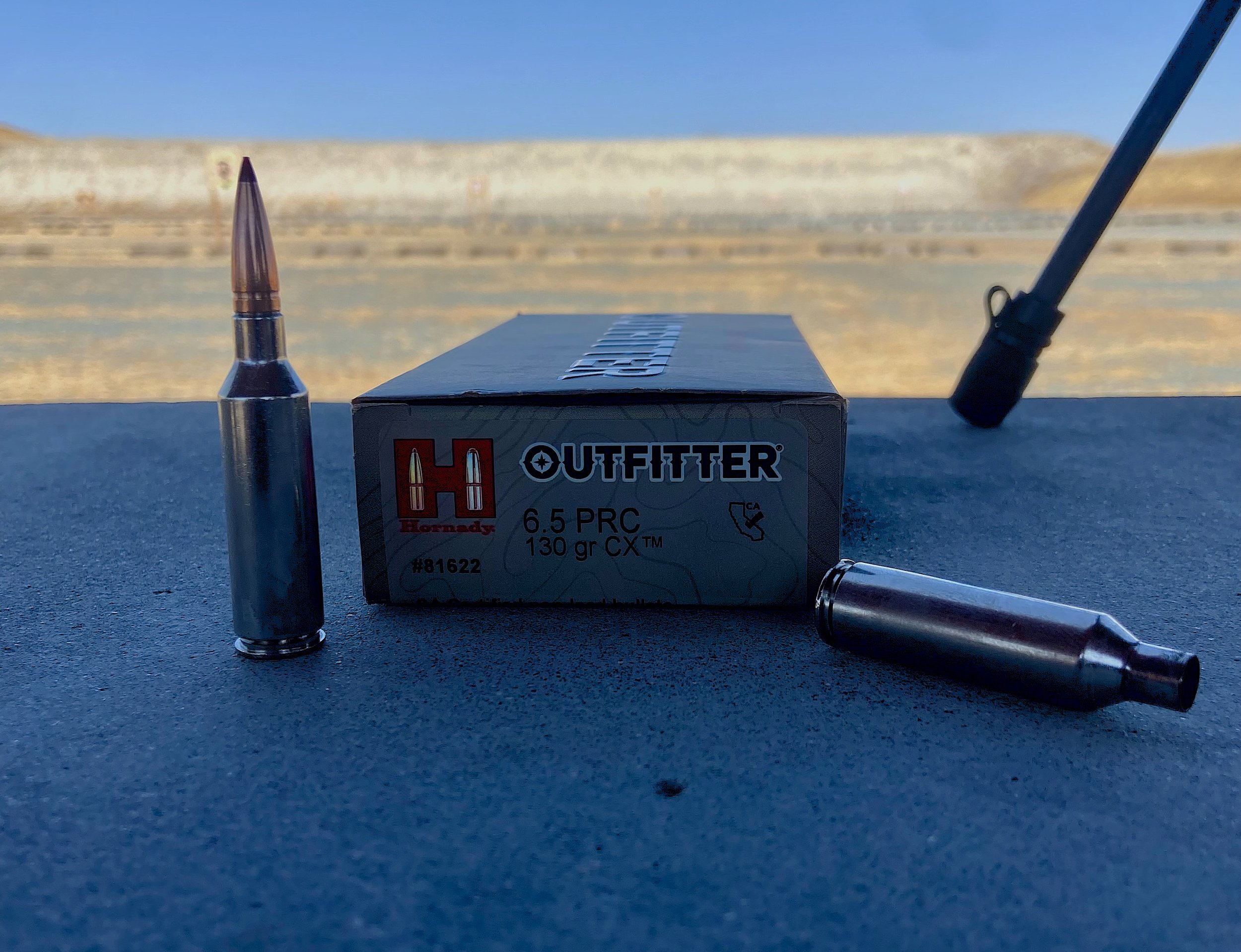
The Hornady CX bullet is available as factory loaded ammunition and as a component for reloading
Overview of Construction/Features
All information presented in this paragraph is taken from the Hornady webpage that can be found here (https://www.hornady.com/bullets/cx#!/). The CX bullet is a monolithic copper alloy bullet and features a few differences over the previous copper solid from Hornady. The first is the Head Shield Tip, which is made of a heat-resistant polymer, providing a consistent BC throughout the bullet's entire flight and consistency from bullet to bullet. The tip design also features Hornady’s patented Drag Variability Reduction Technology (DRVT), which was designed using Doppler radar data to reduce the variation in drag from bullet to bullet. Moving down the bullet to the grooves that many bullets feature. Hornady has also changed these from the GMX by smoothing and rounding the edges to maximize the aerodynamic performance and reduce the bearing surface of the bullet.
Terminal Performance
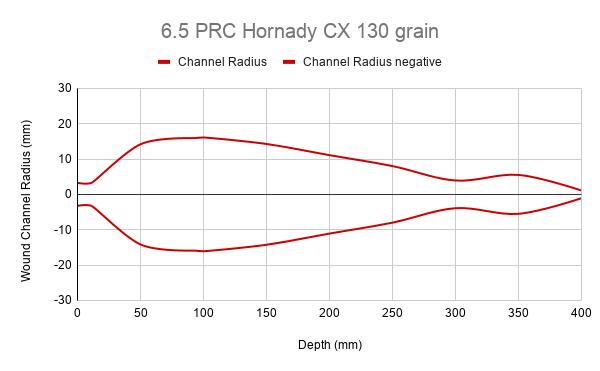
6.5 PRC Hornady CX wound channel in Clear Ballistics gelatine
We often shoot these bullets into water barrels to test weight retention, as well as ballistic gel to test both weight retention and penetration, plus the permanent wound channel left behind. With the 130-grain CX bullet in the Hornady Outfitter line for the 6.5 PRC shot into gelatin at 100 yards, we had 92.7% weight retention. Measuring the wound channel allows a calculation of average wound channel radius (Chart 1 below) allowing a deeper look at the wound channel that the CX created in the ballistic gel. Measurement of the wound channel's are taken at 50mm increments providing the wound channel diameter in mm. Measurements of depth of initial expansion where that bullet begins to expand after entering the gel, what depth the widest point of expansion occurred, and the diameter of the wound channel at the widest point are also measured along both planes. This is done for two perpendicular sides or planes of the gel to give a better representation of the wound channel dimensions.
We can compare the measurements of those diameters at each 50mm increment and track how they decrease as they get further into the gel. You can see that the decrease does not progress linearly, which is due to the bullet rotating in its expanded form as it proceeds through the gel.
How and Where to Purchase
Hornady produces both factory-loaded ammunition and component bullets. The factory-loaded ammunition is encompassed in their Outfitter lineup, starting with an 80-grain .243 Winchester and going up to a 250-grain .375 H&H Magnum. Loaded ammunition using the CX bullet can also be found in the Superformance lineup for some cartridges, particularly in the .22 caliber family. When it comes to components, the smallest option is a 50-grain .22 caliber, while the largest is also a 250-grain, .375 caliber, with 21 different options in total. As with most major ammunition and bullet manufacturers, these loaded rounds and loose bullets can be purchased in any way that you already buy ammunition, including both in-store and online (where legal).
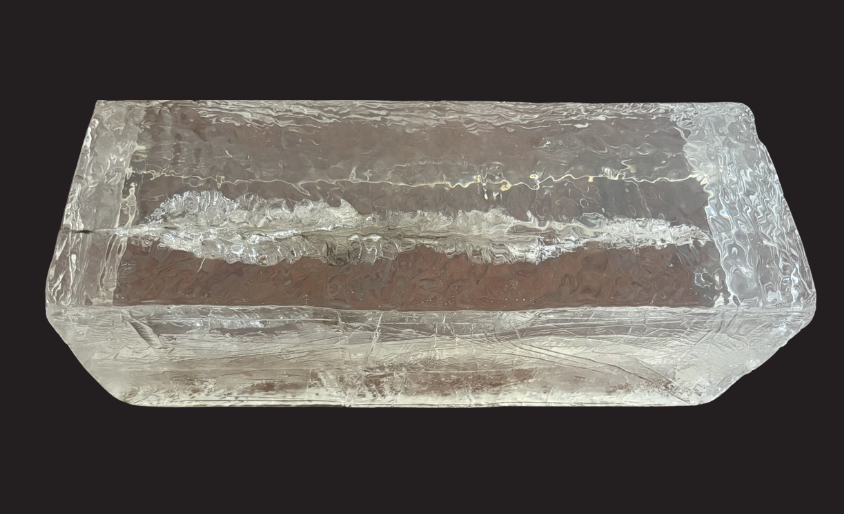
Wound channel in Clear Ballistics, the initiation of expansion can be clearly seen on the left.
“My personal experience with the Hornady CX, specifically the 130-grain 6.5 PRC option, has been phenomenal.”
Personal Experience
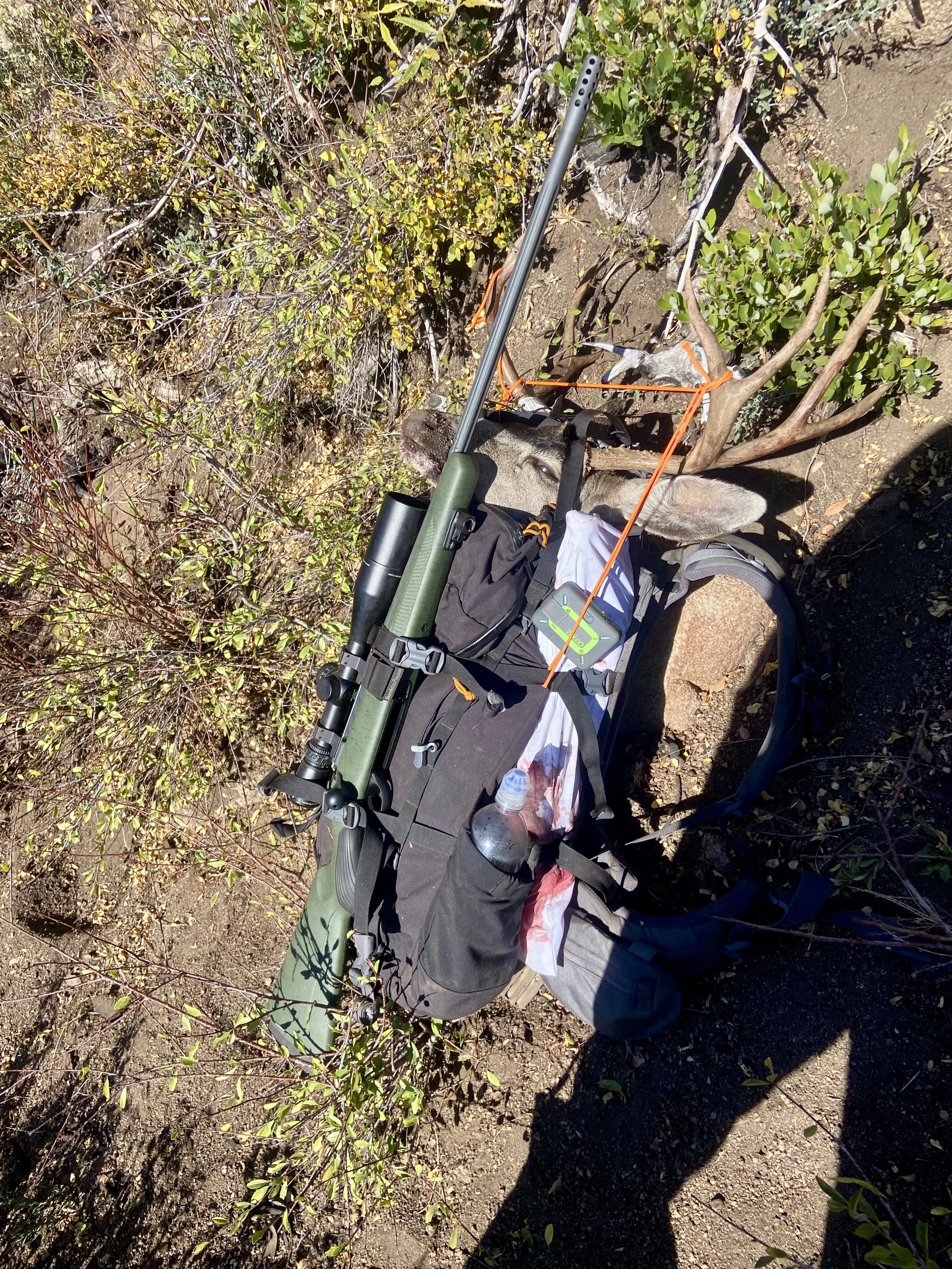
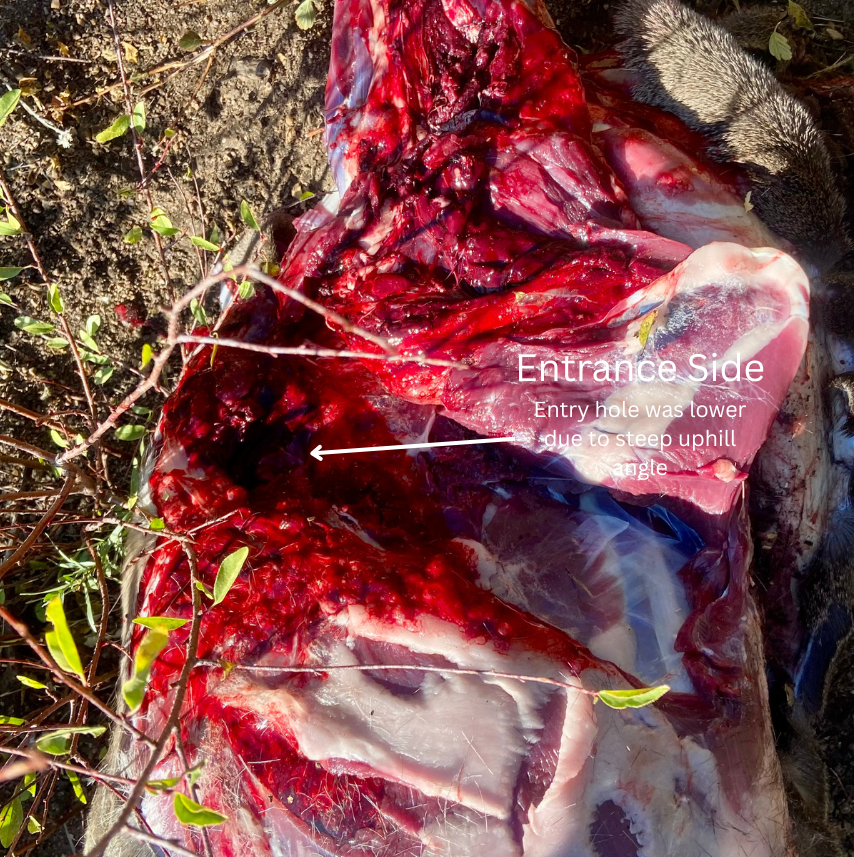
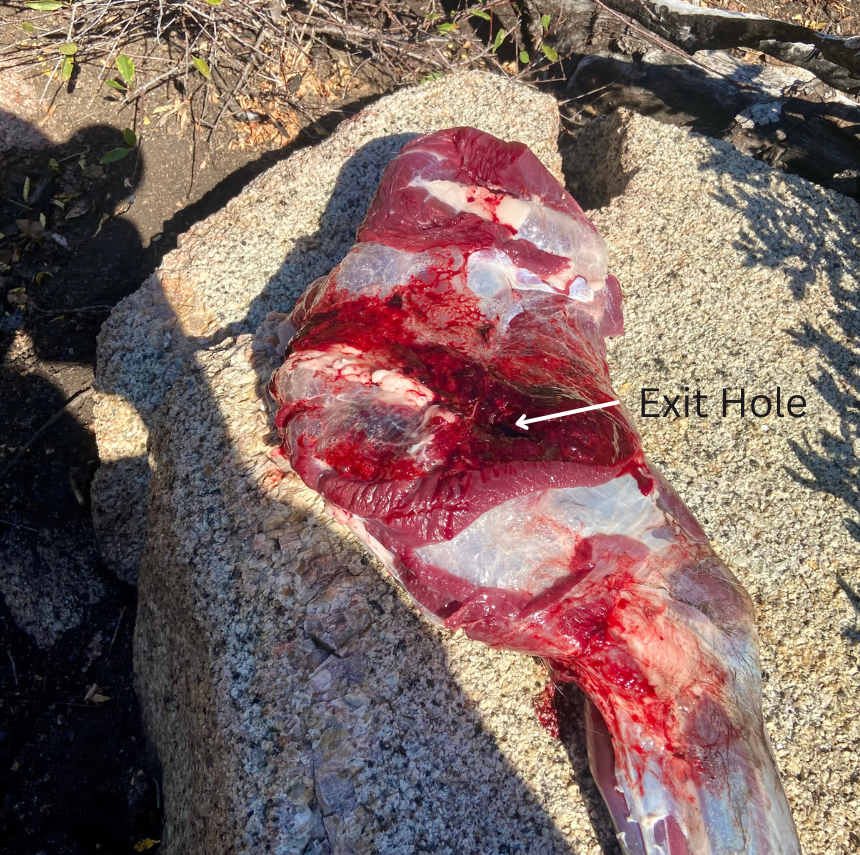
My personal experience with the Hornady CX, specifically the 130-grain 6.5 PRC option, has been phenomenal. I have been shooting it out of a Tikka Roughtech 6.5 PRC with a Vortex Razor HD LHT 4.5-22 x50mm scope, and I used it very successfully on a backcountry deer hunt in 2024 in the Sierra Nevada Mountains of California. The shot was a 212-yard shot at a very steep uphill angle; the bullet entered low on the front shoulder of the went through the heart and both lungs before exiting mid-shoulder on the far side, with the buck not taking a step and falling in the same spot he had just been standing. In setting up and dialing in this rifle, I used a Garmin Xero C1 Chronograph, which enabled me to compare the muzzle velocities I observed with those listed on the box and the standard deviation. The listed muzzle velocity is 2975 fps, whereas I saw an average muzzle velocity of 2890.3 fps over 10 shots with a standard deviation of 12.6 fps.
Conclusion
To sum it up, the CX from Hornady is a widely available monolithic copper alloy bullet that, in all of my experiences, both in gel and game, has performed very well. They display the consistent expansion, extremely high weight retention, and deep penetration that we have come to expect from mainstream monolithic bullets. The most important aspect for deciding on a hunting bullet is trying them in your own rifle setup, as rifles of the same make and model might prefer two completely different bullets, so pick up some CX bullets and let us know what you think!

Micah Dungey
Micah is the former Non-lead Outreach Coordinator for the Institute for Wildlife Studies, is a volunteer hunter education instructor, and now works to bring new hunters into the community.
