
A quick Review of Our Bullet REview Methods
Examining and comparing terminal performance of hunting bullets requires consistency and standardization so we can fairly compare performance across brands, weights, and designs.
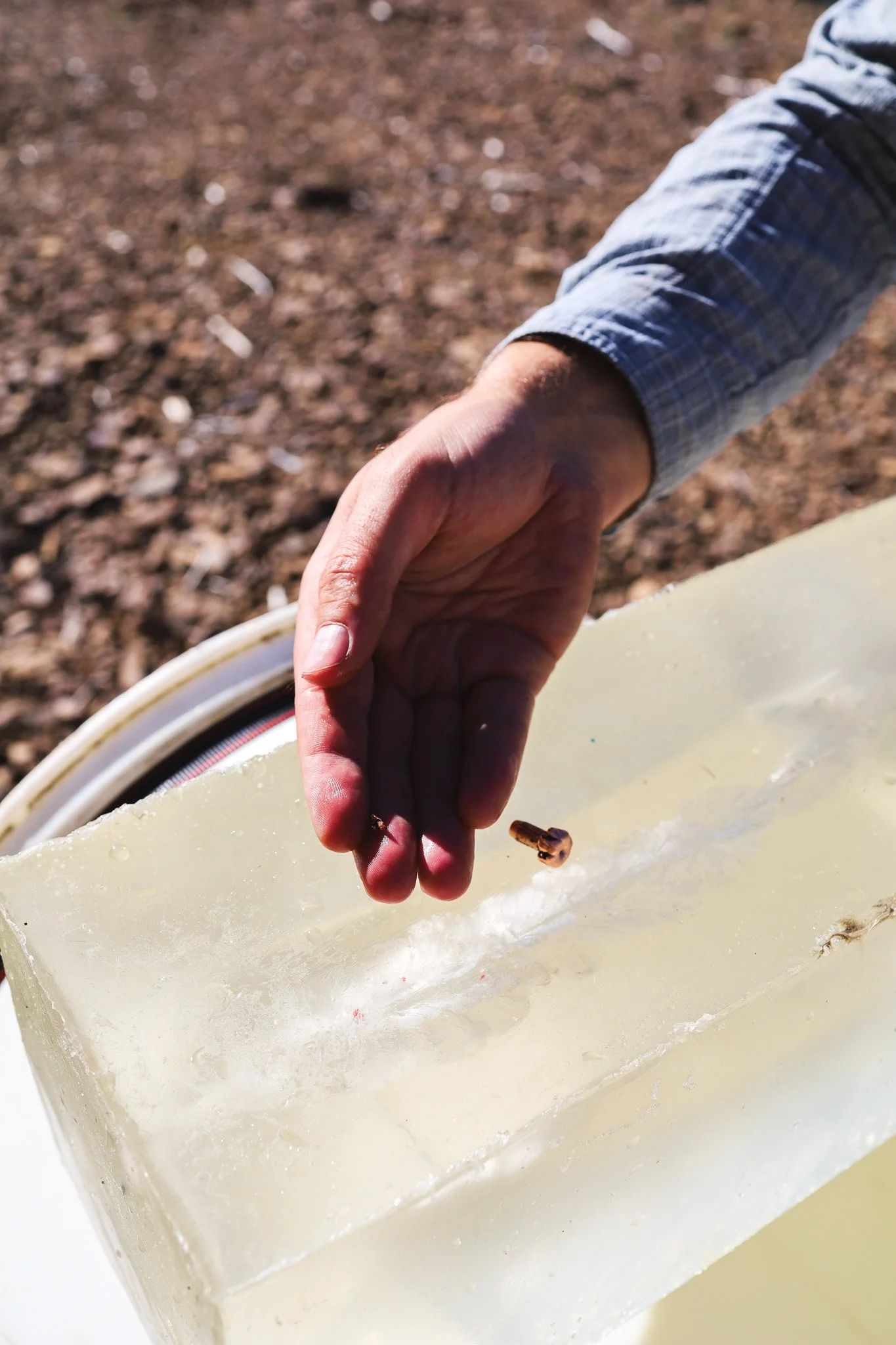
Examining performance for comparison needs measurements to be useful.
Introduction
There are a multitude of hunting bullet reviews on the internet. Most tend to focus on precision, which is a nice metric, but only part of our requirements for hunting. Of course, we need the bullet to strike in the appropriate spot to kill game. However, we also rely on the bullet to perform specific work on impact to create damage that effectively and efficiently incapacitates the animal: 1) so we can recover it and harvest the meat, and 2) so we limit any suffering of the animal we are hunting. Many reviews will include some field reports to also discuss terminal performance. In order to better understand and compare bullet performance we can use ballistic media to standardize the testing and improve our measurements of wound channels. For our bullet reviews, we are attempting to standardize how we collect the data, and how we report to assist in comparisons of different designs.
Terminal Performance Methods
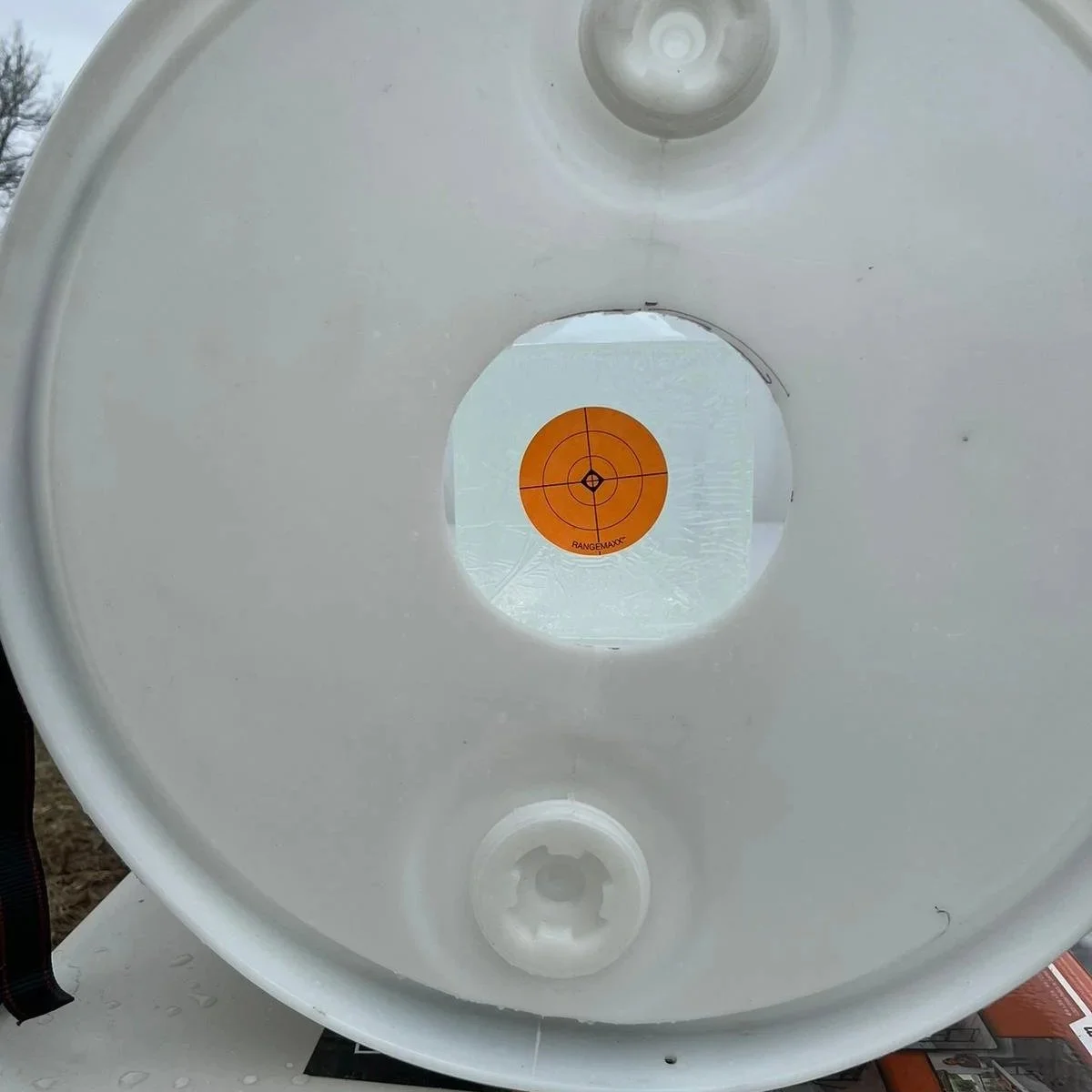
Ballistic gel prepped for testing within a bullet trap.
To compare the terminal performance of these bullets to one another, we looked at two tests. The first is shooting a 10% FBI ballistics gelatin at 100 yards, a good minimum distance for hunting bullet testing. The 10% ballistic gelatin is designed to simulate average tissue and results in a permanent wound channel that documents damage caused by the bullet. We then measure the channel created in this gelatin at 50mm increments from the beginning of the gelatin (0mm) to the end of the gelatin (400mm). In addition to diameter at the standard increments, we also measure the depth of bullet upset (where the bullet begins to expand) and the depth and diameter of the maximum width of damage.
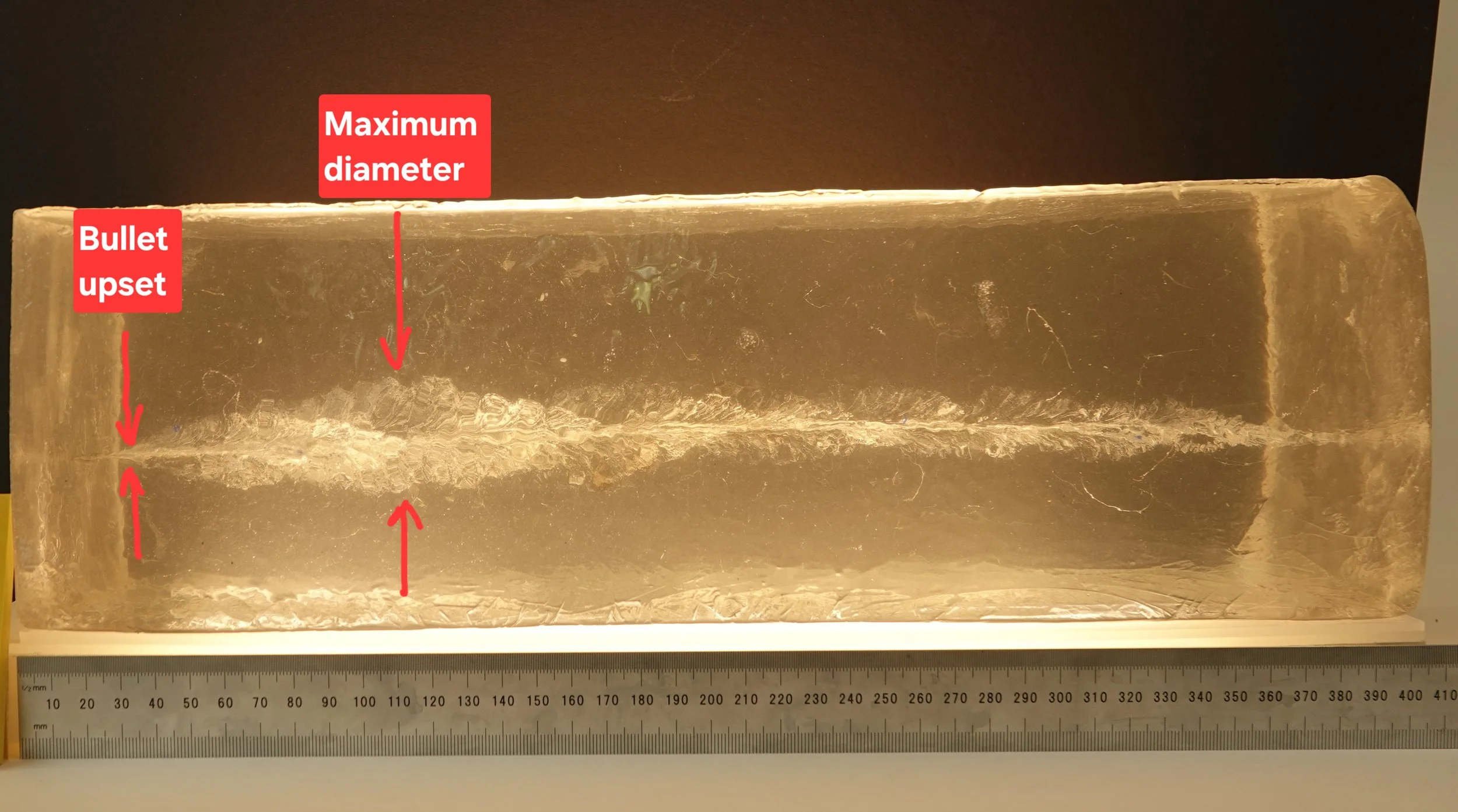
A plot of the positive and negative radius of the wound channel gives a good cross section of the permanent damage
All of these measurements are done on two perpendicular planes so that we can record variation of the wound channel along its three dimensional structure. We use the mean diameter from both those planes for each channel, which allows us to create an average diameter of the wound channel along its full length. In the second test, we shoot each bullet into a water trap so we can record weight retention which helps to understand potential for penetration.
“Understanding hunting bullet terminal performance, along with precision, is important for being effective in the field”
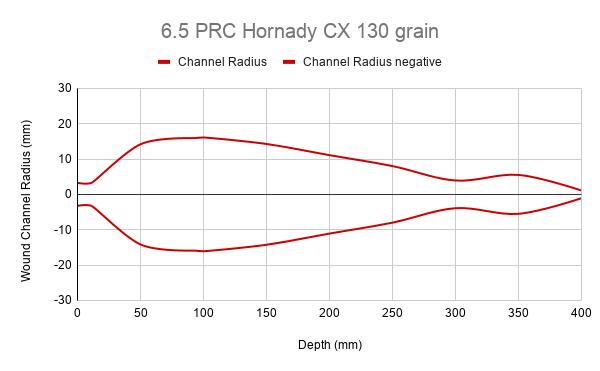
Radius plots provide a clear cross section of the wound channel.
Our published bullet reviews will provide both a table of wound channel diameter and a plot that documents the positive and negative radius of wound channels, showing a clear cross-section of the average wound channel. Comparing across different bullets will be much easier with these standards in place. These standards will allow hunters to more clearly compare how different bullets may work in the field, and select options that provide the performance they need in the field.
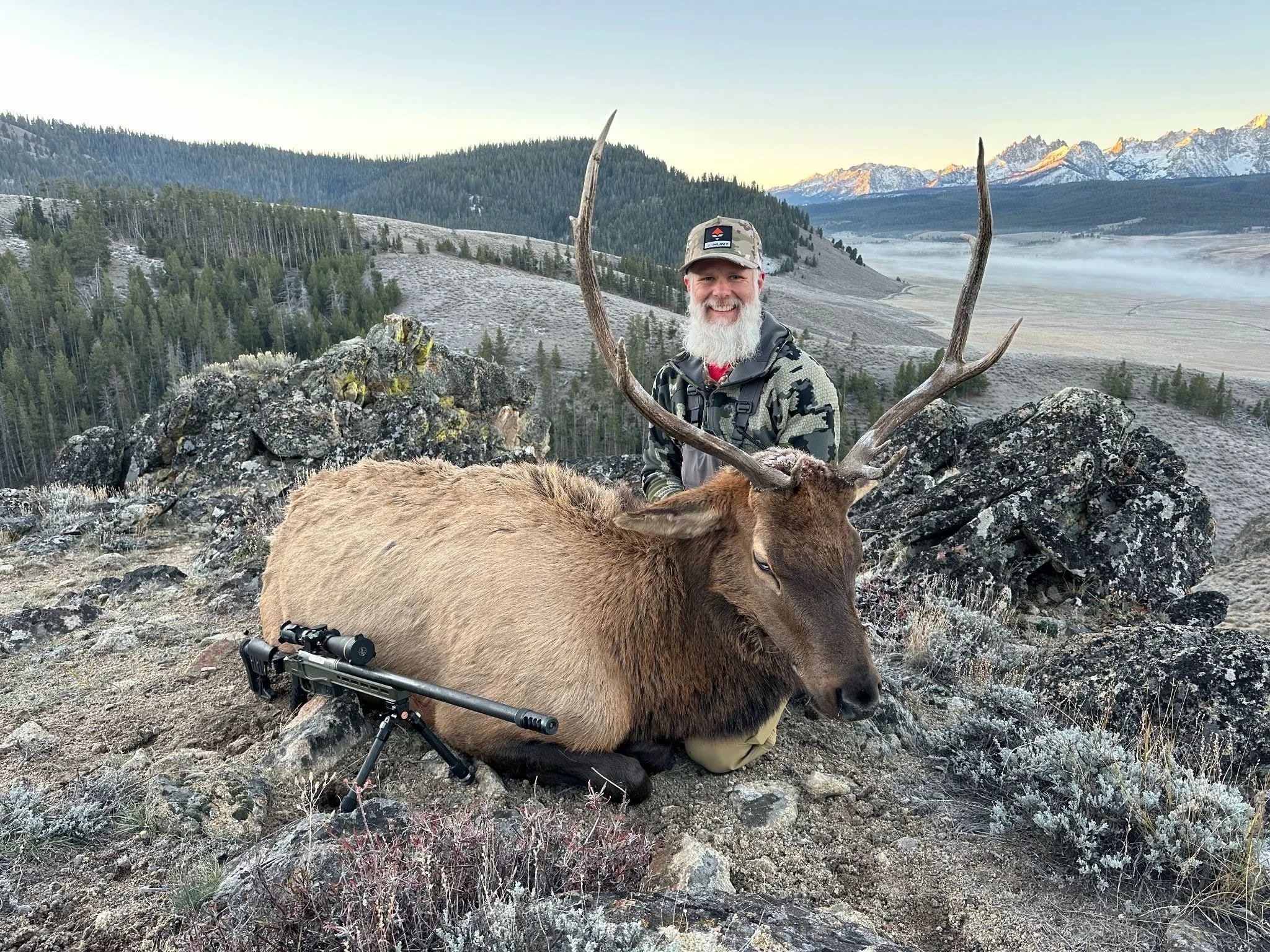
Success with any ammunition follows understanding its performance, practice, and putting it all together with some luck.
Conclusion
These reviews provide a controlled test of different bullet designs. We won’t be focusing on precision, as that is often very rifle specific. However, understanding how different bullets work when they impact an animal is an important step in selecting the right bullet for your hunt. As always, make sure you test your ammunition at the range so you can place the shot where it needs to be. We hope these tests will allow greater insight into performance, and help our fellow hunters select bullets that will perform well for them in the field, while continuing our legacy as conservationists and stewards of the land.
Leland Brown
One of the founders of the North American Lead-free Partnership, Leland works to maintain hunters role in wildlife management, stewardship, and conservation.
