
Understanding Lead's Impacts on Wildlife
Every year, millions of scavenging birds and mammals are exposed to lead fragments left behind by conventional lead ammunition. Here's what the science tells us — and what hunters are doing about it.
The CHALLENGE: Lead Fragments Spread Far Beyond the Bullet Path
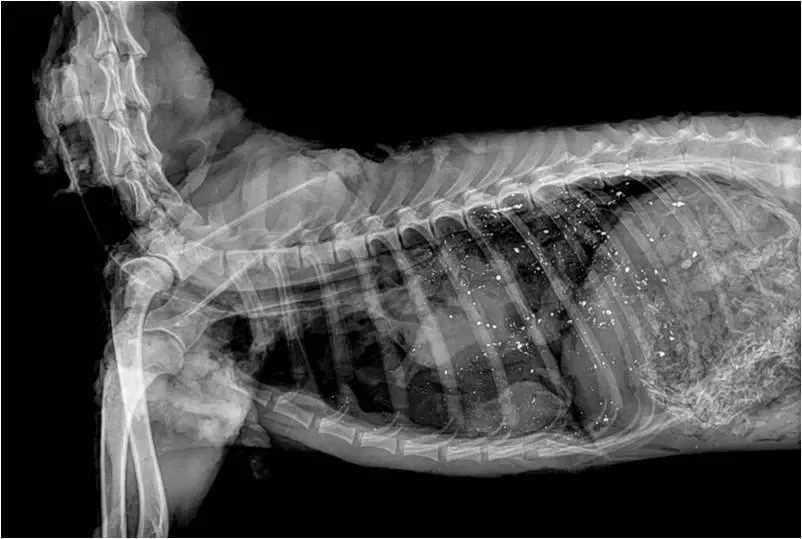
When a lead bullet strikes an animal, it doesn't stay completely intact. On impact, lead ammunition loses a significant portion of its weight, scattering small fragments of lead along the wound channel and throughout the body of the harvested animal.
Many of these fragments are invisible to the naked eye, but X-ray imaging tells a different story. Radiographs of game animals shot with lead ammunition consistently reveal dozens to hundreds of tiny lead particles distributed far from the point of impact.
The Pathway: From Gut Pile to Food Chain
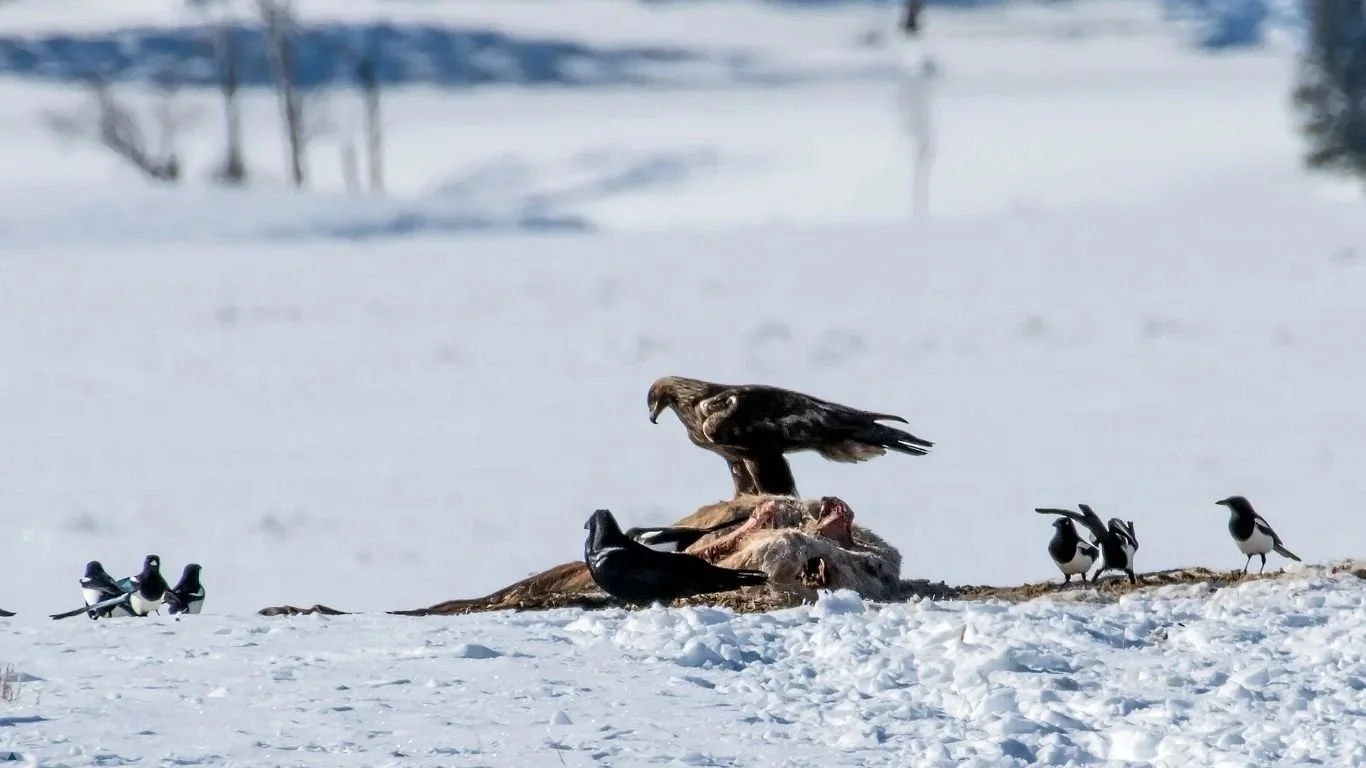
After field dressing, the remains left behind, commonly called gut piles, become an important food source for scavenging wildlife. Eagles, hawks, ravens, coyotes, and other animals rely on these remains, especially during hunting season when other food is scarce.
Unfortunately, these gut piles often contain concentrated lead fragments. Covering the remains may not solve the issue; scavenging animals regularly dig up gut piles, re-exposing the toxic lead for consumption.
The Evidence: What X-Rays Reveal
Radiographic imaging provides undeniable visual evidence of lead contamination in both harvested game and the wildlife that scavenges remains.
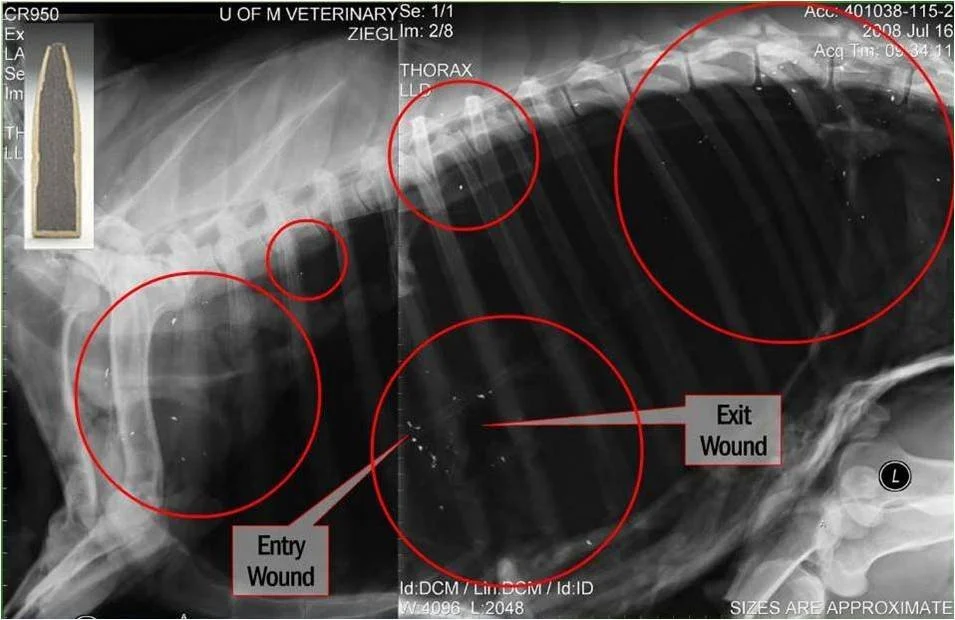
Lead Fragments
X-rays of an animal shot with a lead bullet show widespread fragmentation — dozens of tiny lead particles scattered throughout the body cavity, far beyond the wound channel.
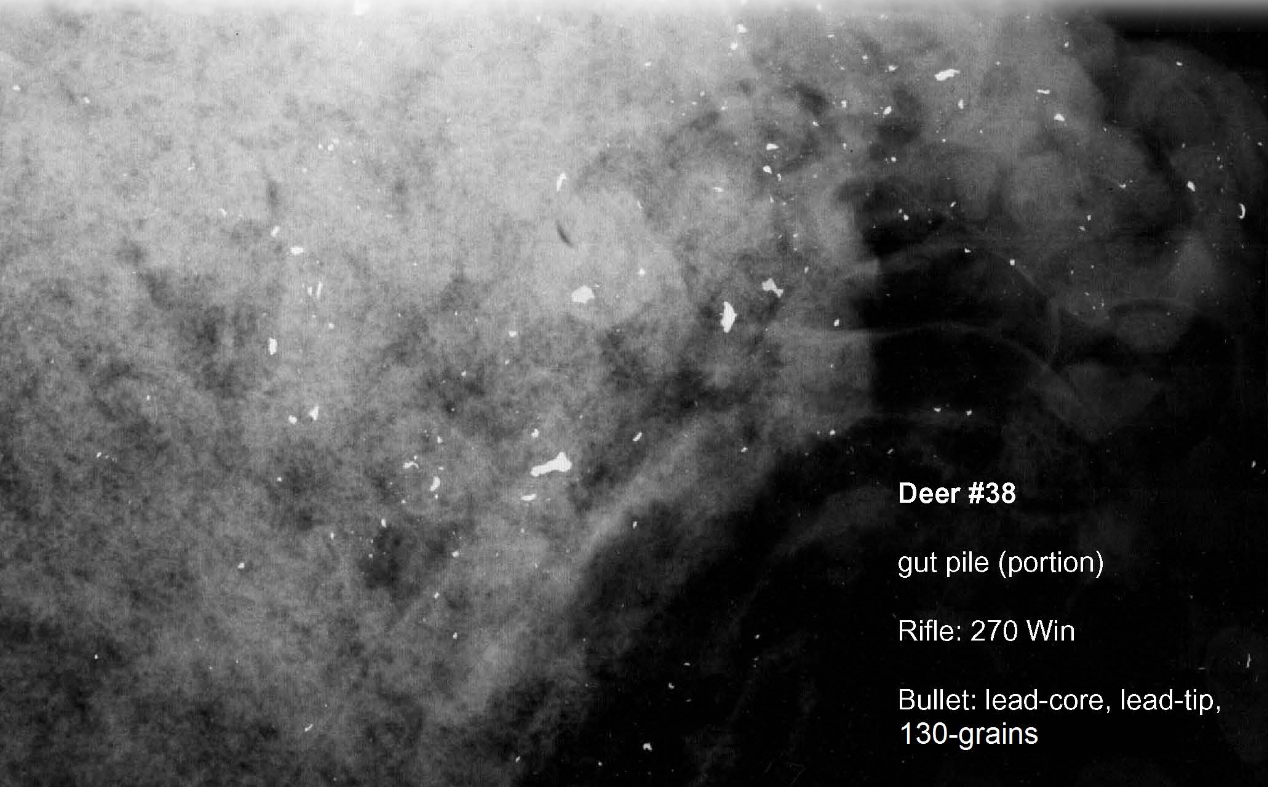
Gut Pile Radiographs
X-ray imaging of discarded gut piles reveals lead fragments concentrated in the organs — the exact remains that scavenging wildlife depends on for food.
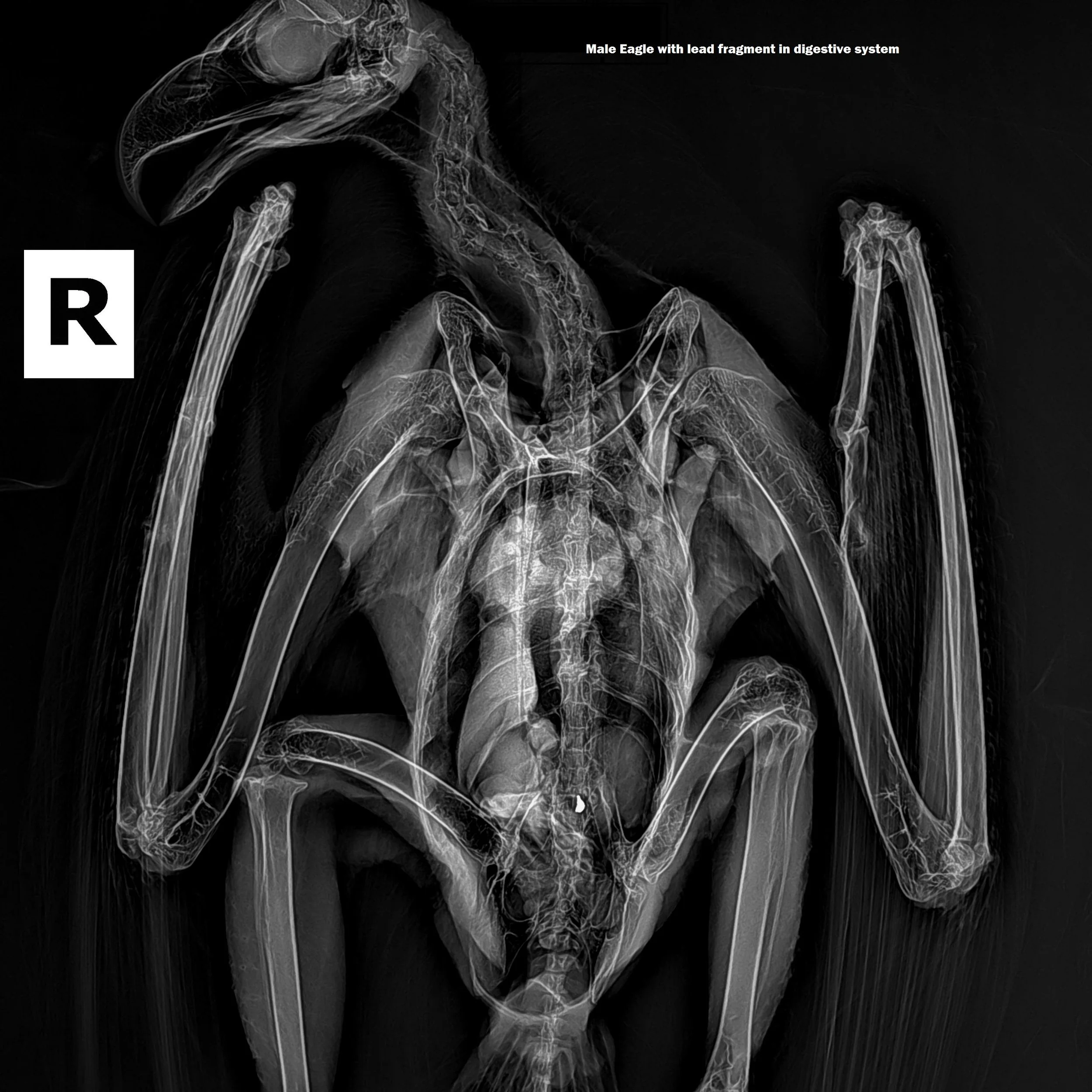
Bald Eagle Exposure
X-rays of bald eagles show lead fragments present in their stomachs — ingested from feeding on contaminated gut piles and carcasses containing the remains from lead ammunition.
130+
Species of birds and mammals documented impacted by lead from ammunition remains
400+
Lead fragments found in a single carcass shot with traditional ammunition
99%
Reduction in lead fragments available to wildlife when lead-free hunting ammunition is used
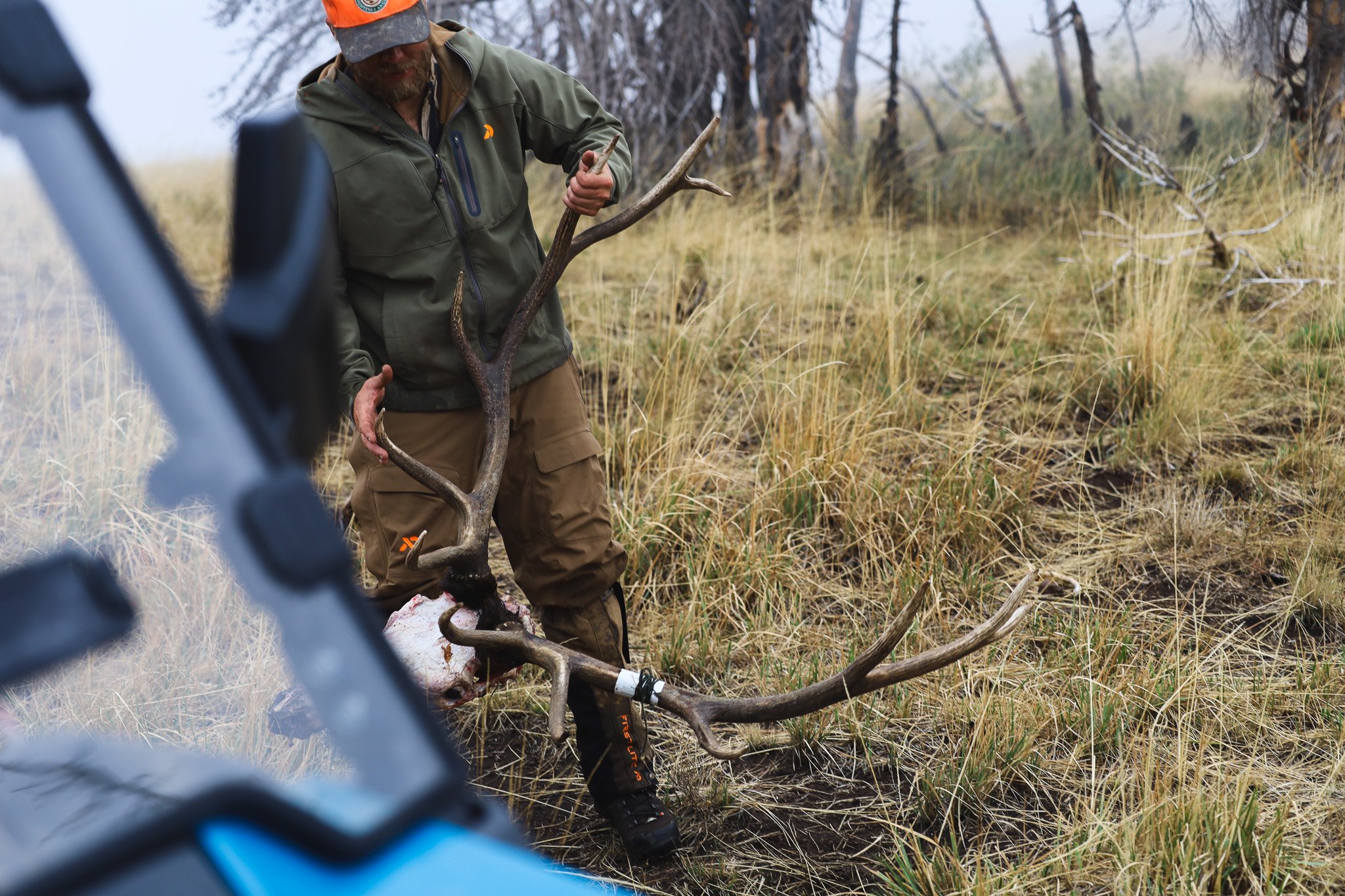
The Solution: Hunters Are Leading the Way
Across North America, hunters are voluntarily choosing to use lead-free ammunition — and the results are remarkable. Where adoption has increased, researchers have documented significant reductions in the amount of lead available to scavenging wildlife.
Modern lead-free ammunition performs at or above the level of common lead options. Copper and other lead-free bullets offer excellent accuracy, reliable expansion, and high weight retention; often performing as well or better than many lead options in terminal ballistics.
The Result: When hunters switch to lead-free ammunition, the impact is immediate and measurable: a significant reduction of lead fragments available to scavenging wildlife in the field.
This is about stewardship. Hunters have always been among the most effective conservationists, and choosing lead-free is one more way the hunting community is protecting the landscapes and wildlife they value most.
Take Action: Get the Most Out of Your LEAD-FREE Ammunition
Making the switch is easier than you might think. Lead-free options are available for virtually every popular hunting caliber, and many hunters report better performance than what they experienced with lead.
The key is preparation: test your chosen lead-free load at the range before heading to the field. Most lead-free bullets benefit from higher weight retention and the greater penetration capabilities than what you may be used to — and the results speak for themselves.
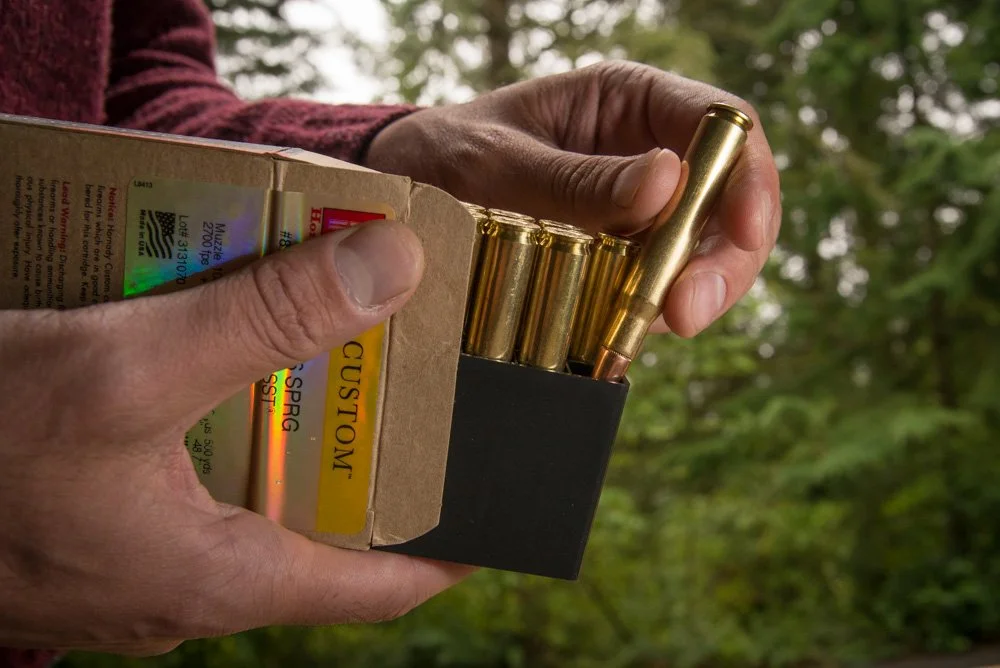
Join Thousands of Hunters Making a Difference
Choose lead-free this season. Protect wildlife, protect your family, and help lead conservation efforts across North America.