
Finger on the Pulse in the Northeast
Evaluation of Hunting Ammunition Choice Education in the Northeastern US

Partnership staff share information on ammunition performance
The North American Lead-free Partnership in the Northeast
On December 11th of 2019, the Northeast Association of Fish and Wildlife Agencies (NEAFWA) formally signed on as a partner with the North American Lead-free Partnership. Both the Partnership and NEAFWA agreed that promoting voluntary, non-regulatory education, outreach, and incentive programs were the underpinning of effective means to promote scavenging wildlife populations, ensure effective harvest of wildlife with hunting ammunition, and increasing public support for hunting.
With limited engagement events occurring in the early years of signing onto the Partnership, NEAFWA worked with the Partnership and Wildlife Management Institute to apply for and receive a Multi-state Conservation Grant focused on increasing staff capacity and capabilities in the NEAFWA region (which includes members of fish and wildlife agencies in Connecticut, Delaware, Maine, Maryland, Massachusetts, New Hampshire, New Jersey, Maryland, Pennsylvania, Rhode Island, Vermont, Virginia, West Virginia, District of Columbia, New Brunswick, Newfoundland, Nova Scotia, Prince Edward Island, Quebec, and United States Fish and Wildlife Service) and engaging agency staff and stakeholder group leaders through a series of modern hunting ammunition workshops, outreach programs, and sportsmen’s events that would take place in 2024 and 2025. Additionally, the United States Fish & Wildlife Service Region 5 National Wildlife Refuge (NWR) System in the Northeastern US provided funding for additional workshops in Northeastern NWRs and evaluation of those workshops.
As with any successful conservation communication program, effective social science is the cornerstone of ensuring that messaging and programs are relevant, resonant, and effective in engaging audiences. As such, the Partnership contracted with DJ Case and Associates, a human dimensions research firm adept in conducting natural resource social science research, to conduct qualitative human dimensions studies of the outreach strategies, educational content, and delivery of engagement events that were conducted under the 2024 NEAFWA MSCG.
Throughout 2024 and 2025, 30 modern hunting ammunition workshops were conducted in the Northeast from Maine to West Virginia. These workshops engaged nearly 600 NEAFWA member agency staff, volunteers, hunter education instructors, industry stakeholders, and leaders in the hunting community throughout thirteen different NEAFWA member regions. Participants that engaged through workshops in 2024 were identified into two stakeholder groups to interview through human dimensions focus groups (agency staff and volunteer hunter education instructors). Participants that engaged through workshops in 2025 were identified into two additional stakeholder focus groups (law enforcement professionals and big game managers / stakeholder leaders). Focus group interviews were conducted by DJ Case and Associated at the conclusion of each workshop season (2024 and 2025) and the associated response themes and discussion points were analyzed and reported in two human dimensions focus group reports. Findings of the human dimensions reports were broken into three main question categories. Click here to view the full reports:
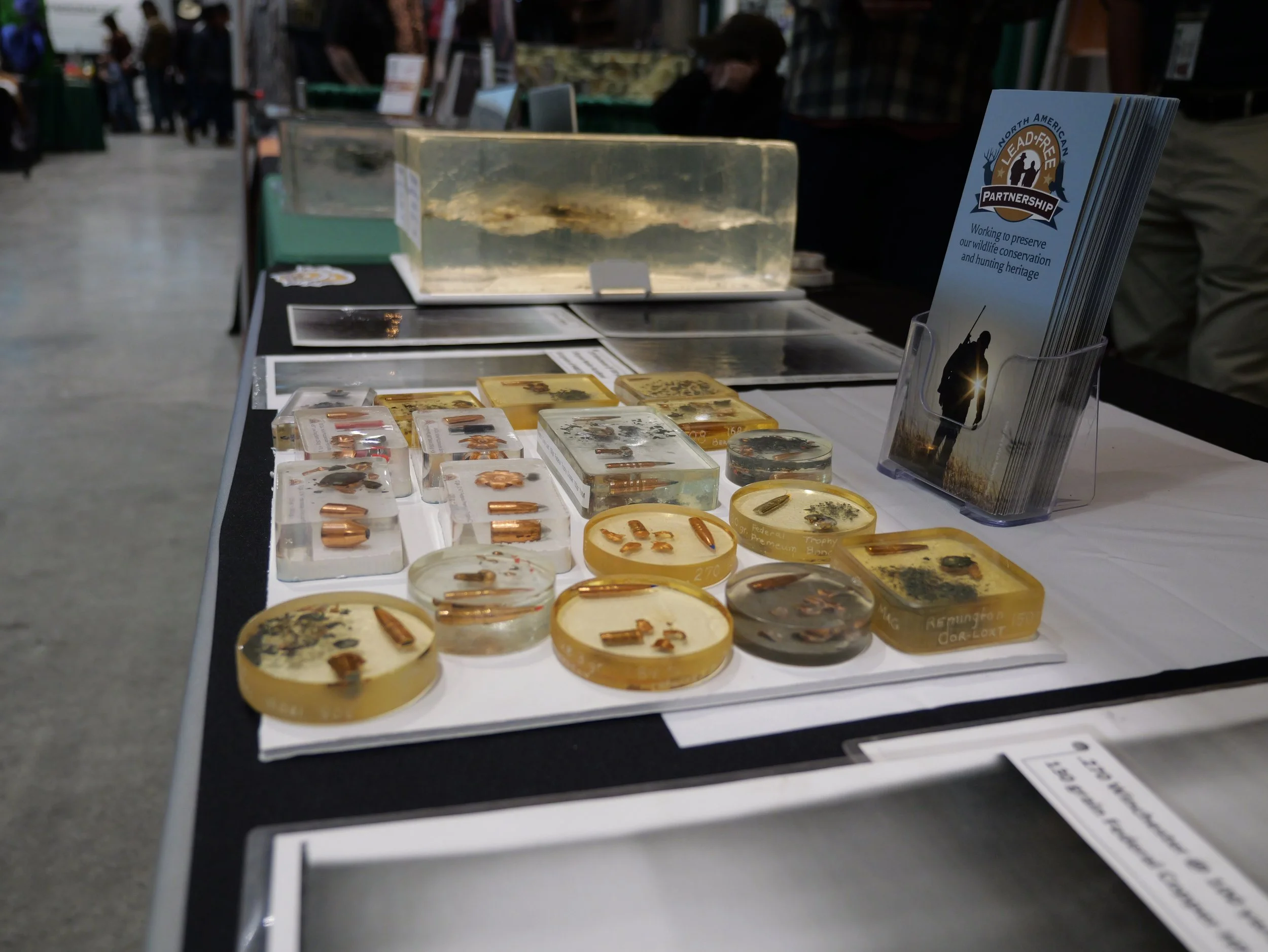
Education tools are important for hunters and agency staff to interact with information
Impressions of the Partnership and workshops
Focus group questioning was aimed at eliciting feedback about the Partnership and the modern hunting ammunition workshops in the Northeast that engaged focus group participants. In all focus groups, participants expressed very positive impressions of the Partnership. Participants describe the Partnership, particularly Partnership presenters at workshops, as knowledgeable, adaptable, engaging, approachable, authentic, credible, open-minded, and convincing. They also spoke highly of the modern hunting ammunition workshops that were delivered. Participants emphasized the importance of the in-the-field range demonstrations that took place in workshops and visual displays like hands-on spent bullet epoxies, shot ballistics gelatin, x-ray images, and technical research graphs. Participants described the workshops as an effective combination of classroom and hands-on time that engaged participants. They also expressed strong approval of the workshop’s emphasis on education and the voluntary adoption of hunting ammunition best management practices, as opposed to a regulatory prohibition of lead-core ammunition.
““This is something our people could relate to and the way these guys presented…they could literally bring them through an evolutionary process” – ”
There was limited feedback on potential improvements to the workshops. Suggestions of adjusting workshop times to be shorter, using a wider variety of firearms at the range demonstration, and using firearms that were more geographically relevant to the desires of hunters where the workshop was held were all valuable suggestions of improvements for future consideration.
Participants in all the focus groups noted ways that the modern hunting ammunition workshops helped them in their respective roles as agency staff members, volunteers, or as leaders in the hunting community. All groups described that the workshops had given them relevant background, skills, knowledge, and approaches to having productive conversations with others in public and within their agency to discuss voluntary hunting ammunition best management practices and how individuals can take voluntary steps to adopt them.
The Current Situation
When asked about how much progress there has been to date regarding the adoption of hunting ammunition best management practices, responses were varied amongst focus groups. Some felt that the movement was still in its infancy while others expressed viewpoints that the movement is gaining momentum in their state.
There was a strong overlap from all focus groups on the perceived and real barriers there are to adopting hunting ammunition best management practices. Feedback related to perceived costs of switching to lead-free hunting ammunition or going away from stockpiled ammo was noted commonly amongst participants as well as other common barriers such as ammo availability, uncertainty of performance when trying a new bullet, as well as resistance to lead-free hunting ammunition rooted in tradition, skepticism, political stances, and general reluctance to change.
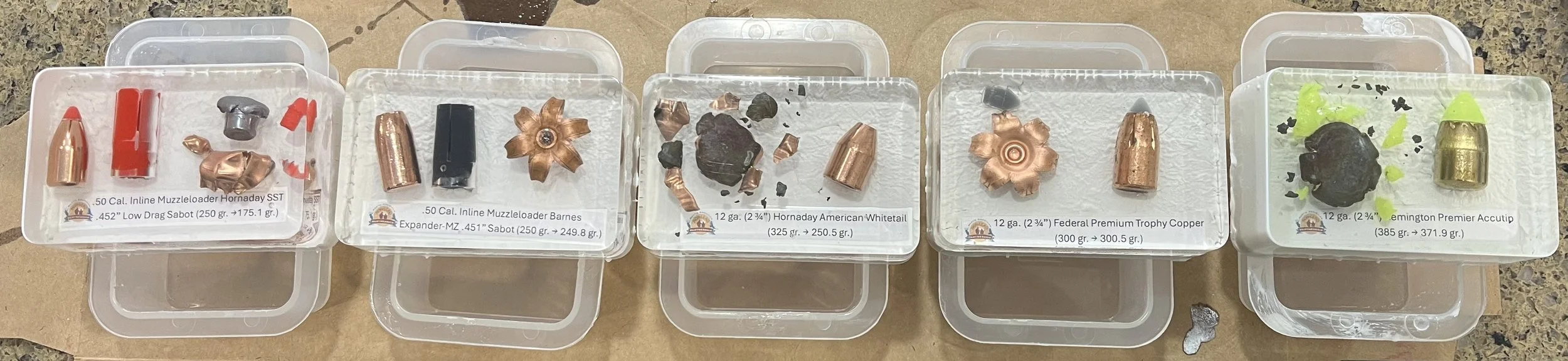
Focus group research has highlighted the importance of using epoxy molds of lead and lead-free bullets in one on one conversations with hunters about bullet fragmentation and how lead fragments can be unintentionally consumed by scavenging wildlife.
Moving Forward
When asked about what could be done moving forward, focus group participants across all groups expressed enthusiasm and commitment towards seeing hunting ammunition best management practice outreach programs continue and grow. Specifically, participants pointed out the need for additional training and skills in how to present information to peers and other stakeholder audiences. The idea of a “train the trainer” workshop for key individuals surfaced in both focus group reports as well as securing hands-on toolkits (like shot bullet epoxy pucks and ballistics gelatin) for being able to quickly communicate concepts like bullet fragmentation and terminal ballistic performance. Additional feedback was received from a number of focus groups on additional “next steps” workshop participants could take to continue to be engaged with the Partnership beyond the individual workshop as volunteers and ambassadors.
With regards to effective messaging, a number of focus groups emphasized an increased importance, especially with serious hunters and shooters, of demonstrating some of the perceived performance advantages of using lead-free hunting ammunition. In all focus groups, participants concurred that voluntary approaches, messages, and delivery of content is much more effective than the concept of a regulatory lead-ban process.
A variety of additional opportunities were outlined by focus group participants to help build programming and messaging into the future. Examples of these opportunities are listed below.
Engaging regional influencers, content creators, and groups who have credibility for regional hunters to promote best management practices.
Promoting ammunition performance characteristics of lead-free ammo for coveted hunt species (i.e. New England hunters)
Incentive programs focused on defraying the costs of making the choice to use lead-free hunting ammunition
Continuing to focus on hunter education as a key component of communicating messaging with new and existing hunters
Focusing messaging towards younger hunters
Increasing and leveraging reach of messaging through agency communication channels
Focusing and refining messages to certain wildlife user groups (e.g. law enforcement, trappers
Conducting workshops and presentations in the context of existing events where hunters might already be
Bans and Mandates
Though facilitators of focus groups did not pose any questions through the interview process regarding regulatory bans or mandates related to the use of lead hunting ammunition, the topic surfaced organically in all focus groups. In all instances, participants expressed a dislike for bans and mandates and a strong preference for voluntary, education-based approaches. Several groups noted that if such a ban or mandate were legislated, the adoption of ammunition best management practices would not be adopted in the same way or with as much positive reception as it currently is.
What does all that mean?
There are a number of key takeaways from these human dimensions studies. Much of what can be taken away from this work is that workshops are convincing, engaging, and well received and should be maintained into the future. There are also additional opportunities for improvement in overall programming (train the trainer programs, toolkits, additional outreach resources, incentive programs, refinement of messaging) that can make voluntary hunting ammunition best management practices more scalable, effective, and relevant. These takeaways are already being considered by NEAFWA, the Partnership, and a variety of other partners as they evolve outreach programming, messages, and engagements going into the future. The future is bright when it comes to engaging those that care about hunting, wildlife, and bullet performance, and utilizing these key components of social science can only improve these efforts into the future.
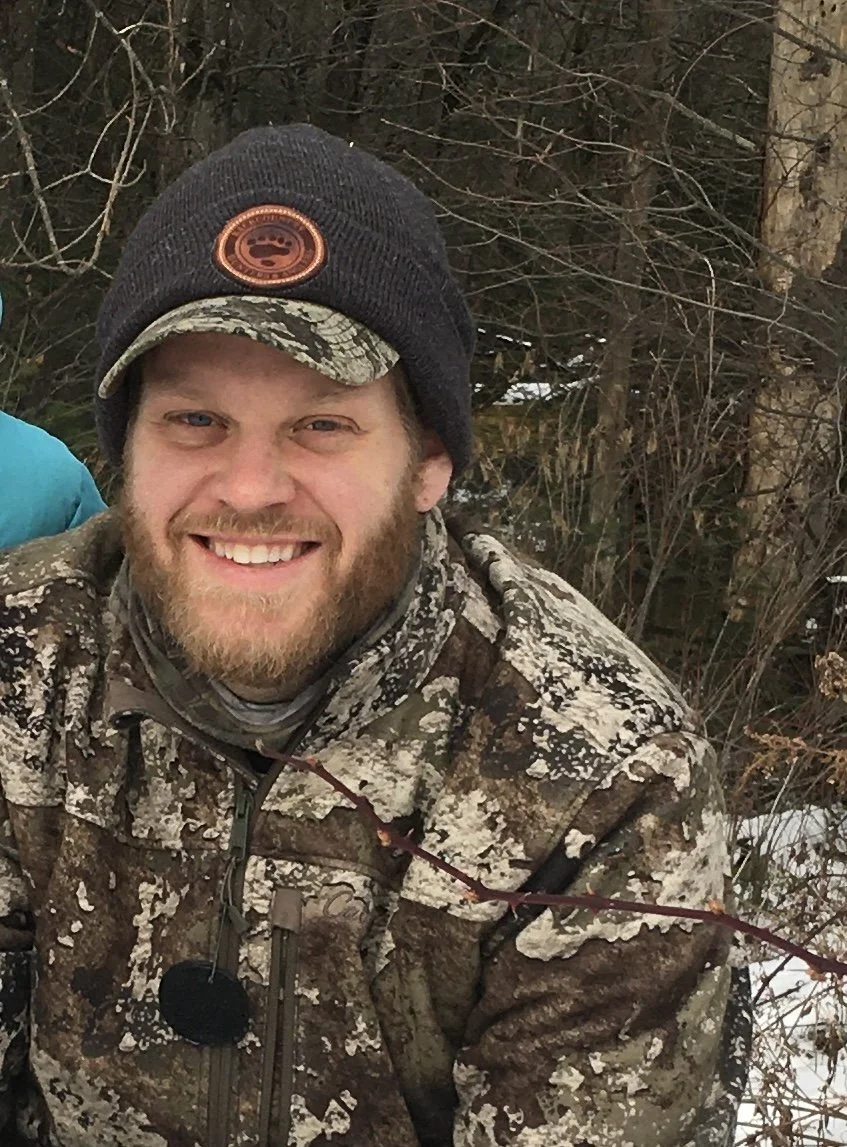
Adam Miller
Adam is the Northeast Program Manager with the Partnership. A fisheries and wildlife biologist that has worked throughout the United States, most recently with Vermont Fish and Wildlife Department, Adam is a passionate hunter, angler, and trapper that works to promote hunting, fishing, trapping and conservation for current and future generations to come.
